To maintain efficient PR review times, monitoring specific metrics and addressing any bottlenecks in the process is essential. By focusing on the size and quantity of PRs and ensuring a balanced reviewer-to-contributor ratio, teams can keep PRs moving smoothly and prevent delays.
Step 1: Monitor Key Metrics to Track PR Open Time
New PRs Metric-How: Regularly check the total number of PRs being created.
- Why: Fewer PRs in the queue reduce the risk of overwhelming reviewers and prevent delays. Encourage contributors to limit the number of open PRs to avoid backlogs.
- Tip: If there is a high volume of PRs, consider breaking larger PRs into smaller, manageable ones.
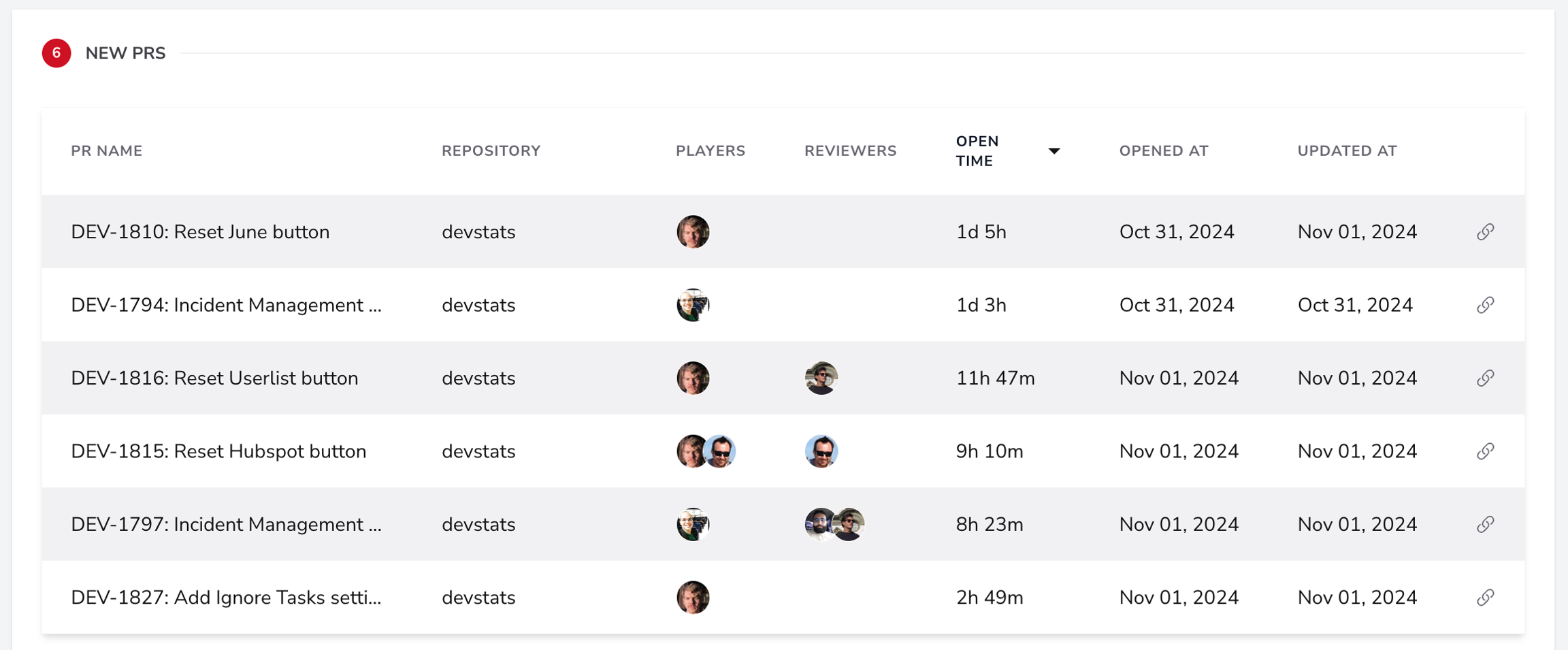
Reviewer-to-Contributor Ratio-How: Ensure an even balance between reviewers and contributors to handle the volume of PRs.
- Why: An imbalanced ratio can cause review delays if there aren’t enough reviewers available. Ensuring sufficient reviewers helps close PRs promptly and reduces waiting time for feedback. Additionally, involving multiple reviewers promotes shared knowledge of the codebase.
- Tip: Encourage team members to review open PRs before starting new work. While developers are focused on meeting their sprint points goals, awarding sprint points for PR reviews can help prioritize and incentivize this important task.
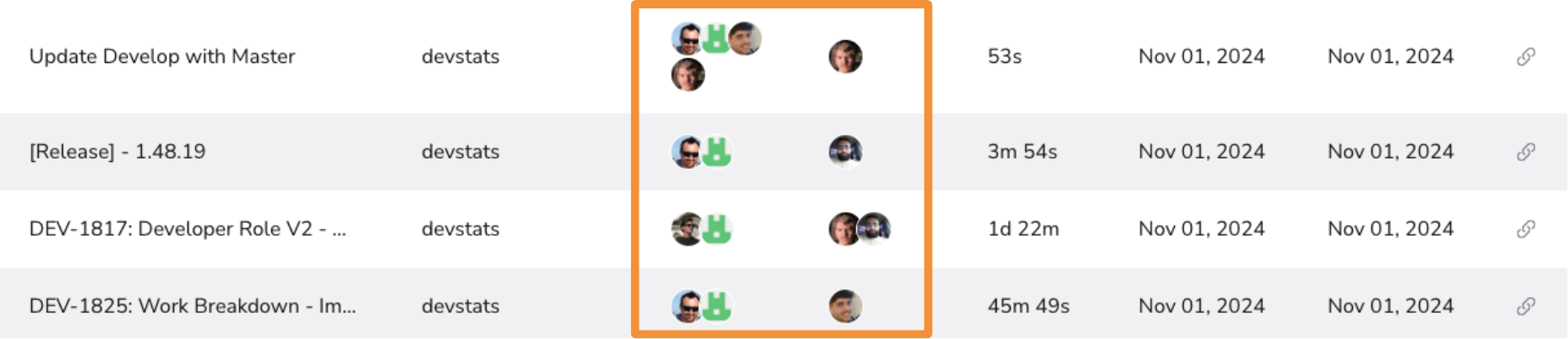
Step 2: Identify and Resolve Bottlenecks
- Review PR Age:Use the Open Time Under 24 Hours Indicator to quickly identify any PRs that have been open longer than 24 hours. This can signal potential bottlenecks in the review process.
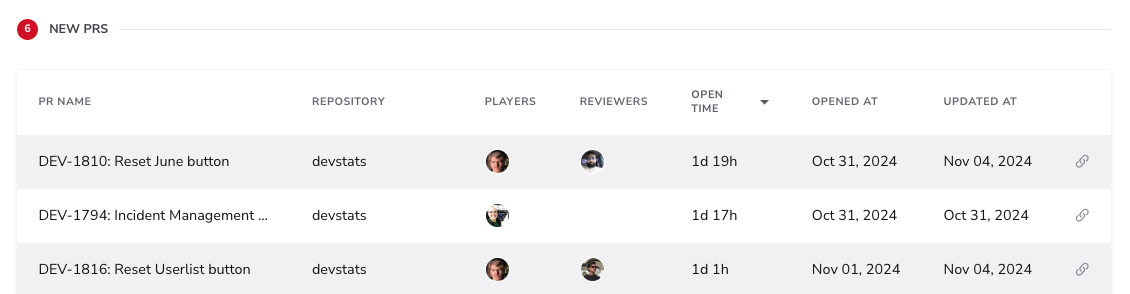
- Examine PR Size: If large PRs are frequently causing delays, encourage contributors to break down complex requests into smaller, easier-to-review pieces. Set a guideline for PR size if needed to help streamline the review process.
- Establish Clear Review Priorities: Define a priority system for PRs, especially for urgent bug fixes or high-impact features. This ensures that critical PRs are reviewed and merged quickly, while lower-priority items can wait if necessary.
Tips
- Encourage Smaller PRs: Smaller, focused PRs make for quicker reviews and reduce the overall review workload.
- Automate Notifications for Reviewers: Use automated notifications to promptly alert reviewers of new PRs, minimizing pickup time and ensuring reviews are completed quickly.
- Regularly Update Team on Metrics: Keep the team informed of PR review performance metrics to promote a culture of continuous improvement and accountability. Include sprint points for reviewing open PRs.
By closely monitoring these metrics and addressing bottlenecks early, teams can maintain low PR review times, improve workflow efficiency, and deliver updates more reliably.